


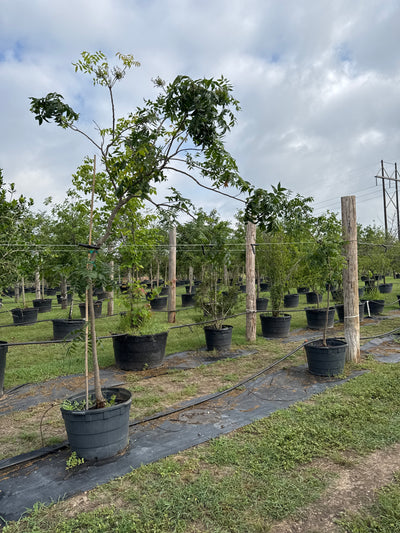


Cherry Rainier

Cherry Rainier
Location on Farm:
🌱 Planting Installation
Rainier Cherry is a premium, high-demand sweet cherry cultivar developed at Washington State University in 1952 by crossing the 'Bing' and 'Van' cherry varieties. Named after Mount Rainier, this deciduous fruit tree features a upright, spreading canopy filled with vibrant green, serrated leaves and smooth, reddish-brown bark. In early spring, the tree produces a profuse burst of fragrant, white-to-pink blossoms that attract bees and other pollinators. By mid-to-late summer, these blooms give way to large, heart-shaped cherries renowned for their unique color scheme: a creamy yellow-to-golden skin brushed with a distinctive red blush where exposed to direct sunlight. Inside, the clear to golden-yellow flesh is firm, crisp, exceptionally sweet, and low in acidity, offering a rich flavor profile higher in sugar content than most red cherry varieties.
In home orchards and commercial fruit production, the Rainier Cherry tree matures to a standard height of fifteen to twenty-five feet with a matching spread, though semi-dwarf rootstocks keep trees manageable at ten to fifteen feet. Beyond its gourmet fruit quality, the tree provides strong ornamental appeal in edible landscapes with its early spring floral cover and bright autumn foliage. Because the delicate, thin-skinned cherries are highly prized by birds and prone to bruising, trees are often netted near harvest. Freshly harvested Rainier cherries have a short shelf life and are typically enjoyed fresh, though they are also popular for artisan preserves, tarts, and fresh fruit salads.
| Scientific Name | Prunus avium 'Rainier' |
| Foliage: Deciduous |
Leaves: Deciduous, medium-to-dark green; turns yellow-orange in autumn. The leaves are alternate, simple, and ovate to elliptical with serrated margins; typically 3–6 inches long. Flowers: Showy, fragrant white 5-petaled blossoms in clusters (mid-spring) Fruit: Large, firm, heart-shaped drupe; creamy yellow skin with a bright red blush; tender, sweet yellow flesh. Seeds: Single hard, smooth inner pit (endocarp) Bark: Smooth reddish-brown with prominent horizontal lenticels when young; develops slight furrowing with age |
| Life Span: Perennial | 30–50 years |
| Mature Height | Standard: 20–30 ft; Semi-dwarf: 12–15 ft; Dwarf: 8–10 ft |
| Mature Width (Spread) | 15–20 ft (standard canopy layout) |
| Growth Rate | Fast (18–24 inches per year) |
| USDA Zone/Chill Hours | Zones 5–8; requires 700–800+ winter chill hours (< 45°F) |
Light Requirements: Full sun (minimum 6–8 hours of direct sunlight daily; sun exposure enhances red blush)
Water Requirements: Moderate; regular deep watering (~1 inch per week), reduced once established
Drought Resistance: Low; sensitive to moisture stress during fruit set and sizing.
Soil Type: Deep, well-draining sandy loam or silt loam; pH 6.0–7.0
Deer Resistance: Low to Moderate (browsed by deer, protection needed when young)
Pest/Disease Resistance: Moderate; higher resistance to crack/rain-splitting than 'Bing', but susceptible to brown rot, bacterial canker, birds, and cherry fruit fly.
Pollination: Self-incompatible; requires a compatible cross-pollinator flowering at the same time (e.g., Bing, Van, Black Tartarian, Lapins)
Harvest: Early-to-mid season (typically late June to early July)
Handling Guidelines
1. The "Blush Test": Harvest when the ground color changes from green-yellow to clear cream/yellow with a distinct pink-to-red blush. Soluble solids should reach 18–22% Brix.
2. Clip or Pick with Stems: Always harvest with stems intact. Pulling cherries off the stem tears the delicate skin at the cavity, causing rapid decay from Botrytis (grey mold).
3. Handle like Eggs: Stem cuts and fingernails easily mark the yellow skin. Deposit fruit gently into soft-lined harvest buckets rather than dropping them.
YIELD
| Tree Size | Time to First Yield | Yield at Maturity (Age 6–8+) |
| Standard | 4–5 years | 80–120 lbs (~2.5–3.5 bushels) |
| Semi-Dwarf | 3–4 years | 35–60 lbs (~1.5–2 bushels) |
| Dwarf | 2–3 years | 15–30 lbs (~1 bushel) |
Key Factors Directly Influencing Rainier Yield
1. Birds and Netting: Birds prefer yellow-fleshed cherries slightly less than dark red ones until they turn soft, but once the red blush develops, bird netting is mandatory. Unprotected trees can lose 80%+ of their yield in days.
2. Sun Exposure vs. Blush: Fruit exposed to direct sunlight develops the desirable red blush and maximum sugar. Dense, unpruned canopies result in pale yellow, smaller fruit on lower branches.
3. Over-Cropping Risks: Heavy yields without adequate summer pruning can lead to limb breakage and smaller, lower-Brix fruit
STORAGE/SHELF LIFE
| Storage Method | Shelf Life | Notes |
| Countertop | 1–2 days | Rapid skin browning, softening, and stem desiccation. |
| Refrigerator (35–38°F) |
5–7 days | Keep unwashed in open plastic bags; wash only right before eating. |
| Optimal Cold Storage (30–32°F) |
10–14 days | Slightly shorter storage window than Bing due to delicate, thin skin. |
| Freezing (Preserved) |
10–12 months | Stem, pit, and freeze in a single layer on parchment before bagging. |
PRUNING
Like all sweet cherries, Rainier exhibits strong vertical apical dominance. However, because light penetration is essential for developing the signature blush on Rainier fruit, canopy management is even more critical than with dark cherries.
Disease Safety: Post-Harvest Summer Pruning. Prune Rainier cherry trees in late spring to mid-summer immediately after harvest. Avoid heavy dormant winter cuts in wet climates, as pruning wounds left open during winter invite Bacterial Canker (Pseudomonas syringae) and Cytospora Canker.
Step-by-Step Training Methods
Method A: Steep Leader / Kym Green Bush (KGB) System (Ideal for High Density). The KGB system converts apical growth into multiple renewed vertical leaders, creating a compact, renewable canopy with high light penetration.
1. Head Back Main Whip: At planting (Year 1). Cut the main leader back to 18–24 inches above the ground to force 4–5 strong low lateral shoots.
2.Double the Shoots: First Summer (Year 1).When new shoots reach 12–18 inches long, head them back by half to force a second flush, yielding 8–10 vertical leaders.
3. Establish Final Vertical Heads: Year 2 Summer. Head the new branches again to establish 12–16 upright, parallel leaders around the base. Remove central branches that block light.
4. Rotate Older Leaders Out: Year 4+ (Renewal Stage). Each summer post-harvest, cut out the 2 oldest/thickest vertical leaders back to a stub near the base to force fresh, young fruiting wood.
Method B: Open Center / Modified Vase (Ideal for Sun Blush)
1. Remove Central Leader: Cut out the main central leader above 3–4 wide-angled (45°–60°) scaffold branches.
2. Clear Center Center: Annually cut back vertical water sprouts in the middle of the bowl to ensure sunlight hits internal fruiting spurs directly.
Annual Post-Harvest Pruning Checklist
1. Pinch Vigorous Shoots: In mid-summer, shorten long current-season shoots by 20% to divert nutrients into forming plump flower buds for next spring.
2. Protect Fruiting Spurs: Leave short, stubby fruiting spurs (2–4 inches) along 2- and 3-year-old branches untouched.
3. Remove Crossing / Shading Branches: Thin out dense upper foliage that casts shadows on lower fruiting wood to maximize red blush development on lower fruit.


