


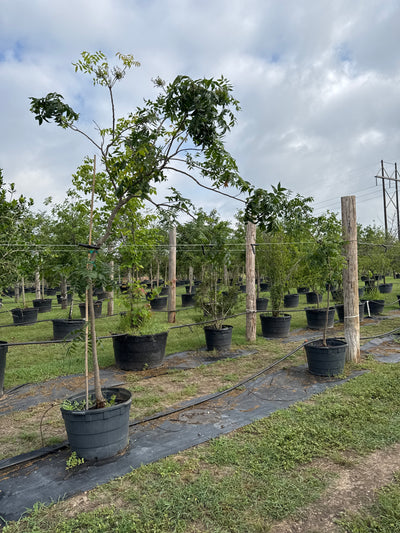


Apple Gala


Apple Gala
Location on Farm:
🌱 Planting Installation
The Gala Apple is often considered the perfect "starter" apple for home gardeners. Originally from New Zealand, it is a cross between 'Kidd's Orange Red' and 'Golden Delicious'. The fruit of the Gala Apple is medium-sized with a distinctive yellow-orange skin overlaid with red striping. Its creamy-white flesh offers a perfect balance of sweetness and tartness, making it ideal for snacking, fresh salads, baking, and juicing. With its thin skin and juicy flesh, Gala apples are a delightful addition to any fruit bowl or picnic basket, offering a burst of flavor with every bite. In addition to their exceptional taste, Gala apple trees are also prized for their ornamental value. In spring, these trees burst into bloom with clusters of delicate pink and white flowers, adding a touch of elegance to the landscape. As the seasons progress, the foliage of Gala apple trees provides a lush backdrop of green, creating a picturesque scene in any orchard or backyard garden. One of the many benefits of growing Gala apple trees is their ease of cultivation. With proper pruning and care, Gala apple trees can be trained into a variety of shapes and sizes, from compact dwarf varieties suitable for small gardens to standard-sized trees for larger orchards.
| Scientific Name | Malus Domestica 'Gala' |
|
Foliage: Deciduous |
Leaves: Oval-shaped with pointed tips and finely serrated (toothed) edges. They are a vibrant, dark green with a slightly fuzzy underside. Flowers: Beautiful, fragrant clusters of 5-petaled blossoms. They usually emerge as pink buds and open into snowy white or pale-blush flowers in mid-to-late spring. Fruit: Small to medium-sized with a distinctive heart shape. The skin is typically golden-yellow with fine, bright red striping or a solid reddish-orange blush. The flesh is creamy yellow, dense, crisp, and very juicy. Seeds: Small, teardrop-shaped seeds that are dark brown to black when the fruit is fully ripe. Bark: Smooth and reddish-brown when young, maturing into a grey-brown with a slightly fissured or scaly texture as the tree ages. |
| Lifespan: Perennial |
Dwarf: 15 to 25 years Semi-Dwarf: 25 to 40 years Standard (Full Size): 40 to 60+ years |
| Mature Height |
Dwarf: 8 to 10 feet Semi-Dwarf: 12 to 15 feet Standard (Full Size): 20 to 25+ feet |
| Mature Width (Spread) | Generally equal to the height (8-25 feet depending on rootstock). |
| Growth Rate | Moderate (approx. 1-2 feet per year) |
| USDA Zone/Chill Hours |
Zone 4-9; Typically requires 600-800 chill hours, though it is remarkably adaptable and can produce in both high-chill (Zone 4) and low-chill (Zone 9) environments |
PLANT CARE & CHARACTERISTICS
Light Requirements: Full Sun. Needs at least 6 to 8 hours of direct sunlight. Morning sun is particularly beneficial as it dries dew off the leaves, reducing the risk of fungal diseases.
Water Requirements: Moderate. Requires consistent moisture, especially during the first few years of establishment and during the "fruit swell" period in summer. Deep watering once a week is standard, though this should increase during heatwaves.
Drought Resistance: Low to Moderate. Once established, it can survive short dry periods, but a lack of water will lead to small, poor-quality fruit or premature fruit drop.
Soil Type: Loamy & Well-Drained. Prefers fertile soil with a pH between 6.0 and 6.5. It is slightly more tolerant of "heavy" or wet soils than some other apple varieties, but it still requires good drainage to avoid root rot.
Deer Resistance: Low. Deer love apple trees. They will graze on the leaves, the fruit, and the tender buds. Fencing or trunk guards are highly recommended.
Pest/Disease Resistance: Moderate. It can be susceptible to Fire Blight, Apple Scab, and Cedar Apple Rust. Regular monitoring and preventative spray schedule are often needed.
Pollination: While often marketed as "partially self-fertile," you will get a significantly better harvest if you plant it with a partner tree. The best partners are 'Fuji', 'Granny Smith', or 'Honeycrisp'.
Harvest: It is considered a "mid-season" apple. It is usually ready to pick in late August to early September. Gala apples store quite well. If you put them in the crisper drawer of your refrigerator immediately after picking, they will stay crisp and sweet for 2–3 months.
HARVEST TIMELINE
| Years 1-2 | Most of the energy goes into roots and wood. If you see fruit forming, it is best to remove it. This prevents the young "whip" from bending or stunting its growth. |
| Year 3 | The "First Taste." You can typically expect 10-20 lbs of fruit. (Dwarf trees: These are "precocious," meaning they fruit very young. You can often pick your first apples 2–3 years after planting). |
| Years 5-7 | The tree enters "early maturity." Expect 50-150 lbs depending on the size. (typically semi-dwarf trees, they take a bit longer to settle in and produce fruit). |
| Years 10+ | Full production peak. (Standard tree size: These are the late bloomers, often requiring 6–10 years before they provide a significant harvest). |
The "First Year" Rule: If your tree produces blossoms or tiny "baby" apples in its very first year after planting, pinch them off. Why? A young tree has limited energy. You want it to spend that energy building a massive, deep root system and strong branches rather than trying to grow a few apples. Skipping the first year's fruit results in much larger, healthier harvests for the next 30+ years.
How to Tell if Your Gala Apple Tree is Ready to Harvest
1. Background Color Check: Look at the "ground color" (the part of the skin that isn't red). When the background color changes from dark green to a soft yellow or creamy gold, the apple is ready. If it’s still bright green, wait!
2. The "Twist" Test: Like your other apples, use the Lift and Twist method. A ripe Gala will release its hold on the branch with a gentle upward flick of your wrist.
3. Bird Activity: Believe it or not, birds and squirrels are excellent judges of sugar content. If you see them starting to peck at the fruit, it’s a sign that the sugars have peaked and it’s time to harvest.
YIELD
| Tree Type | Annual Yield (lb) | Yield in "Bushels" |
| Dwarf | 50 – 100 lb | ~1 to 2.5 bushels |
| Semi-Dwarf | 200 – 400 lb | ~5 to 10 bushels |
| Standard | 400 – 800+ lb | ~10 to 20+ bushels |
STORAGE/SHELF LIFE
The Gala Apple is a "mid-season" variety. While it is firmer and has a better shelf life than summer apples like the 'Anna' or 'Dorsett Golden', it does not have the legendary longevity of late-harvest "keepers" like the 'Fuji' or 'Arkansas Black'. Because Galas have a relatively thin skin and high sugar content, they are prone to losing their "crunch" and becoming mealy if stored in warm or dry conditions.
| STORAGE METHOD | SHELF LIFE | NOTES |
| Countertop (Room Temp) | 5-7 days | In a warm kitchen, Galas will ripen and soften very quickly. |
| Refrigerator (32-38°F) | 2-3 months | This is the ideal environment for a home harvest. |
| Commercial | Up to 9 months | Professional growers use "Controlled Atmosphere" (Low oxygen) storage to keep Galas fresh for longer, but once you bring them home to a standard fridge, the shelf life clock speeds up. |
Tips for Long-Term Freshness
1. Cold and Fast: Get your Galas into the refrigerator as soon as possible after picking. Heat is the enemy of the Gala's crisp cell structure.
2. Humidity Control: Galas have thin skin and lose moisture easily, which leads to shriveling. Store them in the high-humidity crisper drawer or in a plastic bag with a few small air holes.
3. The "Gentle Touch": Galas bruise more easily than Fujis. A small bruise from a drop or rough handling will release ethylene gas and cause the entire bag to soften prematurely.
4. The "Solo" Rule: Because they are sensitive to ethylene, try to keep them away from ripening bananas, peaches, or avocados, which will "push" the Gala to get mealy faster.
Signs of Decline
Greasy Skin: You may notice the skin feels "waxy" or "greasy" after a month or two. This is the apple’s natural defense against drying out; it’s still safe to eat, though the texture inside may be starting to soften.
Brown Core: If a Gala is stored too long at temperatures that are too cold (below 30°F), the flesh around the core can turn brown.
Best Uses for "Older" Galas
If your Galas have been in the fridge for more than 8 weeks and aren't as snappy as they used to be try these methods below:
1. Dehydrating: Galas make incredible dried apple chips because their sweetness concentrates as they dry.
2. Baking: They hold their shape reasonably well in muffins or quick breads.
3. Smoothies: Their mild flavor blends perfectly with greens or berries without being overpowering.
PRUNING
⚠️"Biennial Bearing Warning": If you don't prune your Gala, it might give you 500 apples one year and zero the next. In years where you see an explosion of flower buds, prune more aggressively. In June, prune the fruit itself. Remove enough baby apples so that there is only one apple every 6 inches. This ensures the tree has enough energy to grow flower buds for next year's harvest. Because Galas over-produce, use these specific techniques for pruning to enhance fruit quality:
1. Thinning Cuts: Remove an entire branch back to where it meets the trunk. This opens up the "windows" of the tree so light can hit the inner apples.
2. Heading Cuts: Cut off the top 1/4 of a branch to stiffen it. This prevents the branch from becoming too long and "weeping" toward the ground when the apples get heavy.
3. The 60-Degree Rule: Try to keep branches that grow out at a 60° angle from the trunk. Branches that grow straight up (narrow angles) will snap off when loaded with fruit.
4. Spacing: Ensure there is about 12 inches of vertical space between your main "scaffold" (side) branches. If they are too close, they will shade each other out.
5. Always remove these FIRST!
- Dead: Any wood that is brittle or has no buds.
- Damaged: Branches broken by wind or previous heavy fruit.
- Disease: Look for "Canker" (dark, sunken spots on the bark)
- Suckers: Shoots growing from the very base of the tree ( the rootstock).
- Water Sprouts: Thin, vertical branches that shoot straight up from horizontal limbs. They don't grow fruit; they just steal energy.
6. Choosing Shape
- Central Leader (Recommended): The tree looks like a Christmas tree with one main trunk going up the middle. This is the strongest structure for heavy apple loads.
- Open Center (Vase): The middle is cut out to look like a bowl. This is great for keeping the tree short so you don't need a ladder, but it's slightly less sturdy.