


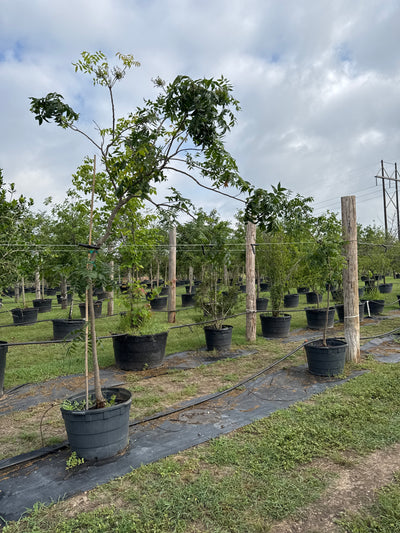


Willow Weeping


Willow Weeping
Location on Farm:
🌱 Planting Installation
The Weeping Willow tree is characterized by its distinctive weeping habit, with long, slender branches that droop towards the ground. It typically has a rounded to irregular crown and can reach impressive sizes when mature. The leaves are narrow, lance-shaped, and light green in color, turning yellow in the fall before dropping. In early spring, the tree produces small, inconspicuous yellow flowers that appear before the leaves. The bark is grayish-brown and deeply furrowed, adding to the tree's visual interest.
| Scientific Name | Salix babylonica (Also includes common hybrids like Salix × sepulcralis 'Chrysocoma') |
| Foliage: Deciduous |
Fast-growing, deciduous shade tree; broad, open, iconic weeping crown with long, gracefully arching and pendulous branches that sweep near the ground. Leaves: Alternate, simple, narrow lance-shaped leaves (3–6 inches long, 1/2 inch wide) with finely serrated edges; bright green upper surface with pale silvery-green undersides; turns golden-yellow in late autumn. Flowers: Dioecious; produces small, fuzzy, cylindrical yellowish-green catkins (1–2 inches long) in early spring alongside emerging foliage. Fruit: Small, 1/4-inch dry capsule clusters held on spring catkins that open in late spring. Seeds: Minute seeds attached to fluffy, cottony white hairs that drift on the wind. Bark: Smooth and olive-green to golden-brown on flexible young whips; becomes thick, gray-brown, and deeply furrowed with age |
| Life Span: Perennial | 30–50 years; weak wood and aggressive roots limit long-term urban permanence |
| Mature Height | 30–50 ft |
| Mature Width (Spread) | 30–50 ft (Broad, sweeping canopy spread) |
| Growth Rate | Fast to Extremely Fast (3–4+ ft per year in moist soils) |
| USDA Zone / Chill Hours | Zones 4a–9b (Cold-hardy down to -30°F to -20°F / -34°C to -29°C); Requires ~300–500 winter chill hours |
PLANT CARE & CHARACTERISTICS
Light Requirements: Full Sun (Requires 6+ hours of direct sunlight daily for dense leafing and vigorous weeping growth).
Water Requirements: High; demands consistent soil moisture; thrives along lakeshores, riverbanks, and retention ponds.
Drought Resistance: Low (Requires regular deep watering during dry spells to prevent severe leaf drop and branch dieback).
Soil Type: Highly adaptable; prefers moist to wet clay, loam, sandy, or poorly drained acidic to alkaline soils; pH 5.0–8.0. They prefer soil that is rich in organic matter and can tolerate occasional flooding, making them suitable for planting near ponds, streams, or other water features. Weeping Willows have shallow root systems that can spread widely, so they require ample space to grow and should be planted away from buildings, sidewalks, and other structures.
Deer Resistance: Low to Moderate (Young weeping whips within reach are often browsed by deer).
Pest / Disease Resistance: Susceptible to willow leaf beetles, aphids, borers, crown gall, powdery mildew, and willow blight; aggressive roots seek water lines and septic systems.
Pollination: Wind and Insect-pollinated; early spring catkins supply crucial nectar for emerging honeybees and native pollinators.
Harvest: Flexible young whips harvested for basketry, woven fences, and natural plant-rooting hormone teas (salicylic acid).
Yield: Heavy shade production and abundant flexible stem material.
Storage / Shelf Life: Cut stems last 1–2 weeks in water; dried weaving whips store indefinitely in a dry place.
Pruning: Prune in late winter while dormant to remove deadwood, crossing stems, or low branches sweeping the ground. Prune high early in life to raise the "skirt" and establish a strong central leader.