


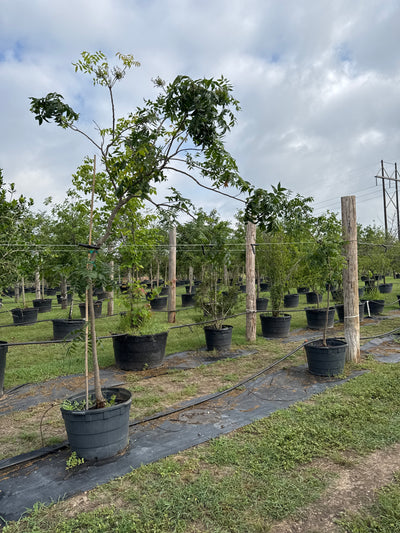


Sage Jerusalem


Sage Jerusalem
🌱 Planting Installation
Jerusalem Sage is a bold, architectural broadleaf evergreen shrub native to the dry, rocky hillsides of the Mediterranean. Growing three to four feet tall with a spread of three to five feet, it forms a rounded, sprawling mound featuring thick, wrinkled, grayish-green leaves covered in fine, velvety hairs with woolly white undersides. Despite its common name, it is not a true sage (Salvia), though its crushed foliage releases a mild, pleasant herbal aroma reminiscent of sage.
In late spring and early summer, Jerusalem Sage produces distinct stacked whorls (verticillasters) of hooded, bright butter-yellow flowers along sturdy, erect stems. These unusual floral rings provide striking vertical structure in Mediterranean, xeriscape, and cottage garden settings. Hardy in USDA Zones 8a through 10b, it thrives in full sun and sharply drained, gravelly, or chalky soils, requiring very little water once established. Its woolly leaf texture and aromatic oils make it virtually immune to deer and rabbits, while its nectar-rich blooms serve as a magnet for bees and butterflies. Even after flowering, the seed heads dry into attractive, decorative globes that add persistent visual interest throughout the winter months.
| Scientific Name | Phlomis fruticosa (Jerusalem Sage) |
| Foliage: Semi-evergreen to Evergreen |
Broadleaf woody shrub with a rounded, bold-textured, spreading growth habit. Leaves: Thick, wrinkled (rugose), lanceolate to ovate grayish-green leaves (2–4 in long) covered in soft, velvety felt-like hairs; woolly white undersides; releases a pleasant herbal, slightly sage-like scent when crushed. Flowers: Bright butter-yellow, hooded, two-lipped flowers produced in tight, stacked, whorled clusters (verticillasters) along sturdy stems; blooms profusely late spring through early summer. Fruit: Inconspicuous, small, dry nutlets held within persistent, attractive dried woody calyxes that remain decorative on the plant through winter. Seeds: Four small, dark brown to black nutlets contained within each seed head whorl. Bark: Soft, woolly-pubescent yellow-green square young stems maturing into stiff, woody, grayish-brown stems at the base. |
| Life Span: Perennial | 10–20+ years |
| Mature Height | 3–4 ft |
| Mature Width (Spread) | 3–5 ft |
| Growth Rate | Moderate |
| USDA Zone / Chill Hours | Zones 8a–10b (Root hardy down to 10°F to 15°F); No chill hours required |
PLANT CARE & CHARACTERISTICS
Light Requirements: Full Sun (Requires 6+ hours of direct sunlight daily for sturdy stem architecture and rich bloom production; tolerates light partial shade in extreme heat).
Water Requirements: Low; requires regular watering during establishment, highly drought-tolerant once mature.
Drought Resistance: Exceptional (Mediterranean native adapted to hot, dry summers and lean, arid soils).
Soil Type: Highly adaptable; prefers dry to medium, sandy, gravelly, or chalky limestone soils; pH 6.0–8.0; strictly requires sharp drainage to prevent winter root rot.
Deer Resistance: Very High (Woolly leaf texture and aromatic foliage make it naturally distasteful to deer and rabbits).
Pest / Disease Resistance: Exceptional resistance to pests and diseases; main vulnerability is root rot or fungal disease in wet, waterlogged, or poorly drained conditions.
Pollination: Insect-pollinated; nectar-rich flowers attract honeybees, bumblebees, native bees, and butterflies.
Harvest: Primarily an ornamental structure shrub; dried whorled flower heads are highly valued in floral crafts and dried arrangements.
Pruning: Cut back flower stems after blooming to keep the plant compact and tidy, or leave dried seed heads for architectural winter interest and prune back hard by one-third in late winter/early spring before new growth begins.


