


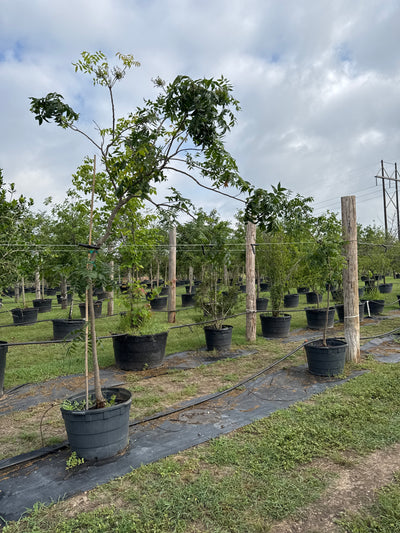

Kumquat Sweet (Meiwa)

Kumquat Sweet (Meiwa)
🌱 Planting Installation
The Meiwa Kumquat is a citrus tree that is a hybrid of the 'Nagami' and 'Marumi'. Its fruit is distinguished by its round shape and thick, sugary rind. Unlike the tart-fleshed Nagami, the Meiwa is sweet throughout. The thick, oil-rich skin provides a fragrant crunch, while the pulp is notably less acidic, making it the favorite choice for children and fresh-fruit enthusiasts. The foliage features leaves that are thick, waxy, and a deep forest green. The Meiwa is a slow-growing, self-shaping tree that naturally forms a dense, rounded "ball" silhouette. It is the most well-behaved citrus, rarely requiring heavy pruning to maintain its tidy, professional look. The Meiwa Kumquat is your "Patio Gold." It is the ideal recommendation for those who want a low-maintenance, high-reward fruit tree that looks as sophisticated as it tastes.
|
Scientific Name |
Citrus crassifolia |
|
Foliage: Evergreen |
Leaves: Thick and Leathery. Darker green and broader/rounder than the Nagami. The "crassifolia" name refers to these thick, substantial leaves. Flowers: Small & Creamy White. Fragrant blossoms appear in summer. They are tucked tightly into the foliage. Fruit: Round / Globe-shaped. Bright orange with a thick, sweet skin and sweet (not tart) pulp. Larger than most kumquats. Seeds: Few to None. Often nearly seedless, making it much more pleasant for fresh eating. Bark: Smooth & Green-Gray. Sturdy branches that resist breaking under the weight of the fruit. Generally thornless. |
|
Mature Height |
6 – 8 feet (Typically stays smaller and more compact than the Nagami). |
|
Mature Width (Spread) |
4 – 6 feet (Naturally rounded, ball-shaped habit). |
|
Growth Rate |
Slow. Very similar to the Nagami; it puts energy into fruit and density over height. |
|
USDA Zone/Chill Hours |
Zone 8b – 11 (Slightly less cold-hardy than Nagami; hardy to 20°F); 0 chill hours required, Subtropical. |
PLANT CARE & CHARACTERISTICS
Light Requirements: Full Sun. Minimum 6–8 hours. Like all sweet citrus, the more sun it receives, the higher the sugar content in the rind.
Water Requirements: Moderate & Regular. Prefers the "soak and dry" method. Do not allow the root ball to become bone-dry, but it hates soggy roots. Always plant the "shoulder" of the root ball slightly above the soil grade to ensure water rains away from the trunk.
Drought Resistance: Moderate. Better than lemons/limes due to its thick, waxy leaves which reduce water loss, but it will drop fruit if stressed.
Soil Type: Well-Drained. Prefers a rich, loamy mix. Highly sensitive to "root suffocation" in heavy clay. Meiwa Kumquats can be prone to zinc or magnesium deficiencies (yellowing between the leaf veins). Use a high-quality citrus fertilizer that includes chelated iron, zinc, and manganese.
Deer Resistance: High. The thick, leathery leaves and compact habit are generally avoided by deer in favor of softer foliage.
Pest/Disease Resistance: Good. Resistant to Citrus Scab and more tolerant of Citrus Leaf Miner than thin-leafed varieties.
Pollination: Self-Fertile. You only need one tree for a full crop.
Harvest: Late Fall through Spring. Fruit reaches peak sweetness in the heat of early spring but can be eaten as soon as it turns orange.
YIELD
| Tree Age | Production Phase | Yield | Estimated Fruit Count |
| Year 1 | Establishment | 1 – 3 lbs | 30 – 80 kumquats |
| Year 2 | Expanding | 4 – 8 lbs | 100 – 250 kumquats |
| Year 3-4 | Sub-Mature | 12 – 20 lbs | 400 – 700 kumquats |
| Year 5+ | Full Maturity | 30 – 40+ lbs | 1,000+ kumquats |
STORAGE/SHELF LIFE
| STORAGE METHOD | SHELF LIFE | NOTES |
| Countertop (Bowl) | 4 – 6 Days | Best for immediate snacking; skin is most fragrant at room temp. |
| Refrigerator (Crisper) | 2 – 3 Weeks | Essential for maintaining the "crunch" of the thick rind. |
| Candied / Whole | 12+ Months | Top Choice: Because they are round and sweet, they make the best "glacé" fruit. |
| Sliced / Dehydrated | 6+ Months | Excellent as a dried snack; tastes like a citrus gummy candy. |
PRUNING
1. The "Air-Channel" Thinning: Because Meiwa leaves are so thick and grow so closely together, the interior can become stagnant.
- The Action: Every spring, reach into the center of the canopy and remove any dead or crossing "matchstick-sized" twigs.
- The Benefit: This is your best defense against Scale and Sooty Mold. If air can move through the center, these pests have nowhere to hide.
2. Managing the "Roundness": Occasionally, a Meiwa will send out a single "errant" branch that grows 6 inches past the rest of the canopy.
- The Technique: Do not just cut the tip. Trace that branch back into the canopy about 3 or 4 inches and make the cut there, just above a leaf node.
- The Result: This "hides" the cut and encourages the branch to bifurcate (split into two) inside the canopy line, making the tree look fuller and more professional for your installations.
3. Graft Union Vigilance: Like your Nagami, the Meiwa is often grafted onto Trifoliate Orange rootstock.
- The Identification: If you see a branch with three leaves and giant thorns, it is the rootstock trying to take over.
- The Action: Cut it off flush with the trunk. If you let the rootstock grow, the Meiwa part of the tree will eventually decline and stop producing those sweet, round fruits.
4. "Container Sculpting"
- The Advice: Keep the "skirt" of the tree high enough so they can see the main trunk.
- The Tip: This creates a "standard" or "tree-form" look that makes the plant look like a deliberate piece of garden art rather than a wild bush.
PRUNING SUMMARY
| Pruning Type | Timing | Primary Goal |
| Center Thinning | Early Spring | Removing "congested" interior twigs to allow light and air into the heart of the tree. |
| Sucker Removal | Year-Round | Critical: Removing any growth from below the graft union immediately. |
| Tip Pinching | Summer | Encouraging the tree to fill in "gaps" in the canopy for a denser look. |