


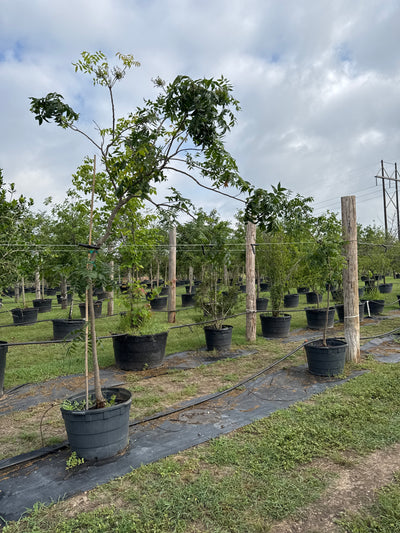


Boxwood Wintergreen


Boxwood Wintergreen
Location on Farm:
🌱 Planting Installation
The Wintergreen Boxwood, also known as the Korean Boxwood, is a tough, compact, and highly reliable broadleaf evergreen shrub. It is celebrated by gardeners as a "problem-solver" variety, specifically selected to overcome the common weaknesses of traditional boxwoods. It features small, delicate, oval leaves that open a soft, bright green in spring and mature to a rich, glossy emerald. True to its name, it keeps this vibrant green color all winter long, completely resisting the dull, yellowish-bronze tint that winter weather causes in other boxwoods. Additionally, its foliage is virtually odorless, lacking the pungent musky scent of English varieties. It has a slow-to-moderate growth rate, putting on 3 to 6 inches of new growth per year. It naturally forms a very dense, neat, rounded mound that tops out at a manageable 2 to 4 feet tall with a slightly wider spread of 3 to 5 feet, making it perfect for low formal hedges, foundation plantings, and walkway borders. Typically the Wintergreen Boxwood is pruned into a cone shape for an architectural look. Due to its slower growth rate the Wintergreen Boxwood can hold its manicured cone shape for a long time, requiring only one or two light prunings per year. It is a favorite for flanking entryways, sitting in large decorative pots, or adding structure to the corners of garden beds due to its emerald green color that holds up in any season.
| Scientific Name | Buxus microphylla var. koreana 'Wintergreen', Buxus microphylla var. japonica 'Wintergreen', or Buxus sinica var. insularis 'Wintergreen'. |
| Foliage: Evergreen |
Leaves: Small, oval, emerald-green leaves. Unlike some boxwoods that turn a yellowish-bronze in winter, 'Wintergreen' is named for its ability to hold its bright green color even in freezing temperatures. Flowers: Tiny, apetalous (no petals), and highly inconspicuous yellowish-green clusters that nestle in the leaf axils in early spring. They are visually unremarkable but intensely rich in nectar, humming with bee activity on warm spring mornings. Seeds: Produces tiny, three-pointed woody capsules that dry out by mid-to-late summer, splitting open elastically to forcefully eject small, shiny black seeds. Bark: Smooth and clean greenish-gray on younger stems. As the shrub ages, the lower main trunks slowly develop a thin, lightly furrowed, tan-gray bark. |
| Life Span: Perennial | Can easily live for 50 to 100+ years if protected from root rot and severe disease. |
| Mature Height | 2-4 feet (If left entirely unpruned over decades, it can eventually reach up to 5 feet, but it is easily maintained at a specific height). |
| Mature Width (Spread) | 3 to 5 feet (Naturally develops a very dense, compact, slightly wider-than-tall spreading mound). |
| Growth Rate | Slow to Moderate. It grows roughly 3 to 6 inches per year (faster than English Boxwood). |
| USDA Zone | Zone 5-9; (Excellent heat tolerance for the South and superior cold tolerance for northern winters). |
PLANT CARE & CHARACTERISTICS
Light Requirements: Full Sun to Partial Shade. It is highly adaptable. Performs best with 4 to 6+ hours of direct sunlight. While it can handle partial afternoon shade (which helps protect it from leaf scorch in intensely hot southern climates), planting it in deep, heavy shade will cause its dense growth to thin out significantly.
Water Requirements: Moderate. It needs regular watering during its first two years to establish a deep root system. Once established, it is relatively self-sufficient but appreciates a deep soak every 1 to 2 weeks during extreme summer heat. Avoid watering with overhead sprinklers; instead, water at the base of the plant to keep the foliage dry, which prevents fungal issues like Boxwood Blight.
Drought Resistance: Moderate to High. It is more drought-tolerant than many other boxwood varieties, but it will show stress (leaf drop) if the soil remains bone-dry for extended periods.
Soil Type: Well-Drained. They prefer a slightly acidic to neutral pH (6.5-7.0) and thrive in loamy soil amended with organic matter. Boxwoods can tolerate heavier soils as long as it does not sit in standing water; prolonged "wet feet" will rapidly induce root rot.
Deer Resistance: High. Like all boxwoods, its leaves contain bitter, toxic alkaloids that make it entirely unpalatable. Deer, rabbits, and other backyard wildlife will completely bypass it, even under heavy browsing pressure.
Pest/Disease Resistance: Superior / Highly Resilient. Excellent natural resistance to the Boxwood Leafminer, a destructive pest that severely disfigures other boxwood varieties. It can still occasionally attract spider mites or psyllids if highly stressed by heat. Shows exceptional tolerance to Boxwood Blight. While it can technically harbor the fungus, it is highly resistant to the rapid defoliation and death that decimates 'English boxwoods'.
POLLINATION
1. Primary Pollinators: Honeybees, Native Solitary Bees (like Mason and Miner bees), and Hoverflies.
2. The Flower Structure: In early spring, 'Wintergreen' produces tiny, petal-less clusters of flowers in the leaf axils. Each cluster is a miniature community: it typically features one central female flower (containing the pistil) surrounded by several male flowers boasting long, prominent, bright yellow stamens heavily loaded with pollen.
3. Pollinator Reward: High Nectar, High Pollen. While the flowers are visually inconspicuous to humans, they produce a rich, sweet nectar and a massive amount of pollen. Because 'Wintergreen' blooms very early in the spring, it acts as a critical food beacon for bees just emerging from winter dormancy when few other flowers are available.
4. Self-Fertility: 100% Self-Fertile. Because every tiny flower cluster contains both male and female components mere millimeters apart, a single 'Wintergreen' shrub or a uniform hedge row can easily pollinate itself. It does not require a different boxwood variety nearby to cross-pollinate.
5. Wind Pollination (Backup): If early spring weather is exceptionally cold, rainy, or overcast—preventing bees from flying—'Wintergreen' can rely on the wind. Its long, protruding stamens easily shed their fine, powdery pollen into passing breezes to reach the central female flowers.
6. Seed Development: Once successfully pollinated, the female flower develops into a small, three-horned woody capsule. By mid-to-late summer, this capsule dries, turns brown, and splits open elastically with a tiny pop, shooting its small, shiny black seeds away from the plant.
PRUNING
1. Thinning (The Breathing Room)
- When? Late Winter to Early Spring (Right before the plant wakes up and pushes new spring growth).
- How? Use sharp bypass hand pruners to reach inside the outer shell of the bush. Snip out about 10% of the outer twigs by cutting them back 6 inches.
- Why? 'Wintergreen' grows very densely. If you only ever shear the outside, it creates a shell so thick that sunlight can't reach the interior. This causes the inside of the bush to drop its leaves and become bare, hollow wood. Thinning lets light and air penetrate, keeping the shrub leafy from the core out.
2. Shearing/Shaping (The Clean Edge)
- When? Late Spring/Early Summer (After the first heavy flush of Bright Green spring growth has finished and started to mature).
- How? Use manual hedge shears or electric trimmers to sculpt your hedge, border, or globe.
- The A-Shape Rule: When trimming a hedge, always keep the top slightly narrower than the base. This ensures the lower branches get plenty of sunlight so the bottom of your hedge doesn't go bald.
3. Touch-up Trim (Optional Maintenance)
- When? Mid-Summer (Late June to July)
- How? Lightly snip off any erratic "whippy" stems that are sticking out past your neat geometric shape.
-
Why? Keeps formal shapes looking razor-sharp through the peak of summer.
4. Rejuvenation (The Reset Button)
- When? Late Winter (While completely dormant).
- How? If your 'Wintergreen' has grown too large for its space, you can cut it back hard into older wood.
- Why? To drastically reduce its size. While it will look bare for a bit, 'Wintergreen' recovers beautifully and will quickly sprout fresh green rosettes directly out of the old wood by late spring.
5. The 'Wintergreen' Deadline: No Late-Season Pruning
- The single most important rule for 'Wintergreen' is to stop all pruning by late summer (mid-to-late August).
- Trimming forces the plant to push out a fresh batch of tender green leaves. 'Wintergreen' needs a solid 8 to 10 weeks for that new growth to "harden off" (mature and develop protective bark) before winter. If you prune too late in the year, the first hard frost will completely zap that tender new growth, leaving you with ugly, burnt brown tips all over the outside of your hedge all winter long—completely defeating the purpose of buying a variety named 'Wintergreen'!
6. Tool Hygiene Reminders
- Keep It Sharp and Clean: Even though 'Wintergreen' boasts excellent natural resistance to Boxwood Blight, it’s always best practice to clean your tool blades with rubbing alcohol or a disinfectant spray between bushes. Clean, sharp cuts heal in days, whereas dull, torn cuts leave ragged edges that invite pests.