


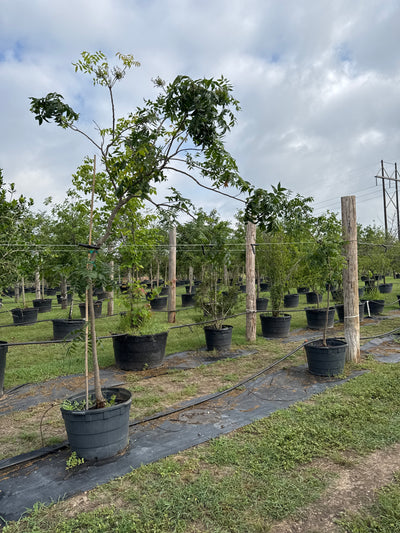


Apricot Moorpark


Apricot Moorpark
Location on Farm:
🌱 Planting Installation
The Moorpark Apricot (Prunus armeniaca) is a historic heirloom variety that has been a gold standard for flavor since the late 18th century. It is famously associated with Admiral Lord Anson’s estate (Moor Park) and is often cited in classic literature, including Jane Austen's Mansfield Park, for its superior fruit quality. Moorpark Apricot trees produce large, smooth freestone apricots with fuzzless, deep yellow skin and deep orange flesh. Its graceful branches are adorned with delicate pink blossoms in the spring. As the seasons progress, these blossoms transform into luscious fruits, resembling golden orbs that seem to glow in the sunlight. These trees are also a joy to cultivate, thriving in well-drained soil and full sun. Their relatively compact size makes them suitable for gardens of all sizes, whether you have a sprawling orchard or a cozy backyard. With proper care and attention, Apricot Moorpark trees can reward you with abundant harvests for years to come and bring a touch of elegance to any landscape.
| Scientific Name | Prunus armeniaca 'Moorpark' |
| Foliage: Deciduous |
Leaves: The foliage is broadly ovate to heart-shaped (cordate) with finely serrated edges. They are a vibrant, glossy green throughout the summer, often turning a subtle yellow or orange in the fall. The leaves are typically 2–4 inches long and taper to a distinct point. Flowers: The blossoms are solitary and five-petaled, appearing in early spring before the leaves emerge. They are white to pale shell-pink and highly fragrant. Because they bloom very early, they are beautiful but can be susceptible to late spring frosts. Fruit: Moorpark is famous for its large, round-to-oval fruit. The skin is a deep orange with a distinctive "sun-kissed" reddish-brown freckling or blush. The flesh is orange, exceptionally juicy, and has a rich, plum-like fragrance. It is a freestone variety, meaning the flesh separates easily from the pit. Seed: Inside the fruit is a single, large, smooth, and woody pit (stone). While the kernel inside the pit is sometimes used in flavorings, it contains amygdalin and should generally be avoided unless specifically processed. Bark: The bark is reddish-brown to dark gray. On young trees, it is relatively smooth with prominent horizontal "lenticels" (breathing pores). As the tree ages, the bark becomes deeply fissured and rough, providing significant winter interest in the landscape. |
| Lifespan: Perennial |
Dwarf: 10 to 15 years Semi-Dwarf: 15 to 25 years Standard (Full Size): 25 to 40 years |
| Mature Height |
Dwarf: 6 to 8 feet Semi-Dwarf: 12 to 15 feet Standard (Full Size): 15 to 20+ feet |
| Mature Width (Spread) | Generally equal to the height (6-20 feet depending on rootstock). |
| Growth Rate | Fast (In the right conditions, it can grow 2+ feet per year when young). |
| USDA Zone/Chill Hours | Zone 4-8; Requires 600-700 chill hours (below 45°F) |
PLANT CARE & CHARACTERISTICS
Light Requirements: Full sun; (8-10 hours of direct, unfiltered sunlight daily)
Water Requirements: For the first 1–2 years, water deeply once or twice a week (depending on heat) to help the roots reach deep into the subsoil. Once established, the Moorpark prefers deep, infrequent watering. Instead of a daily sprinkle, give it a long "soak" every 7–10 days during dry spells. Never let the tree go bone-dry while the fruit is developing (from petal fall until harvest). Consistent moisture during this time prevents the fruit from splitting or dropping early.
DROUGHT RESISTANCE
The Moorpark Apricot is considered moderately drought-tolerant once it is fully established, but there is a significant catch: while the tree itself can survive a dry spell, the fruit quality usually suffers.
The Impact of Drought on the Harvest: Even if the tree looks healthy during a drought, you will notice three specific "defensive" moves the Moorpark makes to save water:
- Fruit Drop: If the soil becomes too dry while the fruit is small, the tree will shed a large portion of its crop to conserve energy.
- Shrunken Fruit: Any fruit that stays on the tree during a drought will be significantly smaller and may have a "mealy" or dry texture rather than the juicy, honey-like consistency Moorpark is famous for.
- Early Dormancy: In extreme drought, the leaves may turn yellow and drop in August. This is the tree's way of "shutting down" early to protect the trunk and roots.
Managing Moorpark in Dry Conditions- If you are in an area prone to dry spells, you can help the tree maintain its resistance without sacrificing the yield:
- Mulching: This is the most effective tool. A 3–4 inch layer of organic mulch (wood chips or straw) around the base—keeping it away from the actual trunk—will keep the root zone cool and reduce evaporation by up to 70%.
- The "Swelling" Soak: The most critical time for water is the 3 weeks before harvest. If you are in a drought, providing a deep soak during this specific window will ensure the fruit fills out properly.
- Avoid High-Nitrogen Fertilizer: During a drought, don't fertilize with heavy nitrogen. This forces "lush" green growth that requires even more water to maintain, putting more stress on the tree.
Soil Type: Well-drained, sandy loam. It prefers a slightly acidic to neutral pH between 6.0 and 7.0. If you have heavy clay soil, you must plant the tree in a raised mound or bed (at least 12–18 inches high) to ensure the root crown stays dry and aerated.The soil should be moderately rich in organic matter. Adding a layer of compost each spring will provide the slow-release nutrients the tree needs for its fast growth rate.
Deer Resistance: Low. Like most stone fruits, deer find the young shoots, buds, and ripening fruit highly attractive. Fencing or deterrents are recommended until the tree is tall enough that the main canopy is out of reach.
Pest/Disease Resistance: Moderate to Low. It can be susceptible to Aphids, Plum Curculio, and Peach Tree Borers. Regular monitoring of the trunk base and underside of leaves is necessary.
- Brown Rot: This is the primary challenge for apricots in humid climates. It affects the blossoms and the ripening fruit.
- Bacterial Canker: Moorpark has some natural resistance compared to other apricots, but it can still occur in cold, wet springs.
- Coryneum Blight (Shothole): Can cause small holes in leaves; usually managed with proper pruning for airflow.
- Bird Protection: Birds love the high sugar content of the Moorpark. Since the harvest is staggered, you may want to use bird netting starting in mid-June to ensure you get to eat the fruit before they do.
Pollination: The Moorpark is a self-fertile tree, meaning you only need one to get a harvest, though having a second apricot variety nearby can often increase the yield and size of the fruit. The best partners are 'Goldcot', 'Tilton', 'Wenatchee Moorpark', and 'Harcot' because they bloom in the same early-spring window.
Harvest: Fruit ripens July to late August.The Moorpark Apricot is a rewarding heirloom because it doesn't drop its entire crop at once. This "staggered" ripening is perfect for home gardeners, as it prevents you from being overwhelmed by 50 lbs of fruit in a single weekend.
- Pro-Tip: The "Early Bloom" Trap- Apricots are often the very first fruit trees to bloom in the spring. If you have a warm spell in February followed by a late frost in March, the blossoms can be killed. Planting your Moorpark on the north side of a building or on a slight slope can help keep the tree dormant a few days longer, often saving the harvests.
3 Signs Your Moorpark Apricot Tree is Ready to Harvest
1. The "Color Shift": You’ll know they are ready when the base color shifts from green to a deep, glowing orange.
2. The "Sun-Kissed" Indicator: Moorpark often develops beautiful reddish-brown "freckles" on the side facing the sun. These are not defects; they are a sign of high sugar content.
3. The Texture Test: Give the fruit a very gentle squeeze. It should have a slight "give," similar to a ripe peach. If it’s rock hard, leave it; it won't develop its full honey-flavor off the tree.
YIELD
A mature, healthy Moorpark Apricot tree is a heavy producer, but your annual "take-home" weight depends heavily on the size of the tree and the weather during the spring bloom. On average, a fully mature Moorpark tree (6-10 years old) will yield up to 100- 150+ pounds per year.
| Tree Size | Yield in Bushels | Yield in Pounds | Approx. # of Apricots |
| Dwarf: Will produce fruit in 1-2 years. | 1–3 bushels | 40–60 lbs | 300–500 |
| Standard: Will produce fruit in 3-5 years | 3–6 bushels | 100–150+ lbs | 800–1,200+ |
Factors That Can Affect Your Yield
1. The "Frost Factor": This is the biggest variable. If a late spring frost hits the blossoms, your yield for that year could be 0 lbs, regardless of the tree's age. This is why apricots are often considered "gambler's fruit."
- Pro-Tip: Planting on a north-facing slope or in a sheltered area can sometimes delay blooming just enough to miss the final frost.
2. Thinning the Crop: If the tree produces a massive amount of fruit (common in years 5+), you must thin them to one fruit every 4 inches. If you don't thin, you might get 200 lbs of tiny, flavorless apricots; if you do thin, you'll get 150 lbs of giant, honey-sweet, premium fruit.
3. Rootstock: If your Moorpark is on a Dwarf rootstock, expect about 30–50% less total yield at maturity (typically topping out at 40–60 lbs), but the tree will be much easier to harvest without a ladder.
STORAGE/SHELF LIFE
| STORAGE METHOD | SHELF LIFE | NOTES |
| Countertop (Room Temp) | 1–3 days | Best for final ripening. Keep in a single layer to avoid bruising. |
| Refrigerator (Crisper Drawer) | 3–5 days | Store only after fully ripe. Quality declines after 5 days. |
| Freezer | 10–12 months | Must be halved and pitted. Use ascorbic acid to prevent browning. |
| Dried | 6–12 months | Moorpark is the gold standard for drying due to its size and sugar. |
Critical Handling & Storage Factors
1. The "Softness" Trap: Moorpark apricots are notorious for being soft on the inside while still appearing firm on the outside. This is often called "internal breakdown." Because of this, they do not ship well and have a very narrow window of peak perfection. If they feel slightly soft to a gentle squeeze, eat or refrigerate them immediately.
2. Ripening Protocol
- Never refrigerate unripe apricots: If the fruit is still firm and pale, keep it at room temperature (ideally in a brown paper bag). Cold temperatures will kill the enzyme activity needed to develop its famous sugars, leaving you with a mealy, flavorless fruit.
- The Single Layer Rule: Because Moorparks are large and heavy for apricots, stacking them will cause the bottom layer to bruise and ferment within hours. Always spread them out on a tray or counter.
3. Cold Storage Conditions: Once ripe, move them to the refrigerator to slow down decay.
- Humidity: They prefer high humidity (around 90%). Place them in a perforated plastic bag or a crisper drawer set to "High Humidity."
- Temperature: Aim for 32°F–35°F. Note that even in the fridge, the Moorpark’s volatile aromatics (the "apricot smell") will begin to fade after about 3 days.
Best Uses for Moorparks
Given their short shelf life, if you have a large harvest, you should have a plan for the surplus:
- Dehydration: The Moorpark was historically the favorite for drying because its high sugar content creates a candy-like result.
- Preserves: Their deep flavor makes world-class jams and chutneys.
- Freezing: If you can't eat them in time, slice them in half, remove the pit, and freeze them on a baking sheet before transferring to a bag. This preserves that "fresh" flavor better than canning.
PRUNING
Because the Moorpark Apricot is a fast-growing, vigorous tree, pruning is essential to prevent it from becoming a tangled mess of "water sprouts" (vertical shoots) that produce no fruit. The goal for a Moorpark is an Open Center (Vase) shape. This allows sunlight to reach the middle of the tree, which is the only way to get those 100+ lbs of fruit to ripen evenly.
1. Timing: Late Winter (Dormant)- The best time to prune is late January or February, just before the buds begin to swell.
- The "Silver Lining" Rule: Apricots are prone to "bacterial canker" and "silver leaf" if pruned in wet, cold conditions. Always prune on a clear, dry day when no rain is forecasted for at least 48 hours to allow the cuts to "callus" over.
2. The "Vase" Method (Step-by-Step)
- Clear the Base: Remove any "suckers" growing from the rootstock at the bottom of the trunk.
- The "Three Ds": Cut out anything Dead, Damaged, or Diseased.
- Open the Center: Remove any branches growing straight up through the middle of the tree or crossing over the center. You want the tree to look like a wine glass or a vase. If a bird can't fly through the center of your tree without hitting a wing, it’s too dense!
- Manage the "Water Sprouts": Moorpark is famous for sending up long, whip-like vertical branches. These suck energy away from the fruit. Cut these back to the main branch or remove them entirely.
- Thin the Fruit Spurs: Apricots fruit on short spurs (stubby little twigs) that live for 3–5 years. If a branch is crowded with spurs, thin some out so the remaining fruit has room to grow to its full, large size.
3. Summer Pruning (The "Size Control"): Because Moorpark can grow 2+ feet per year, you may need a light summer pruning in July or August (after harvest).
- Goal: Simply snip back the very tips of the new growth to keep the tree at a manageable height (8–12 feet). This keeps the harvest within reach of a small ladder and prevents the tree from becoming "top-heavy."
- Thinning for Size: If the tree sets a massive amount of fruit in the spring, "thin" them so there is about 3–5 inches between each apricot. This ensures the remaining fruits grow to their full, large "Moorpark" size rather than staying small and crowded. If you don't thin the fruit, the tree may produce thousands of tiny, flavorless apricots and then produce nothing the following year.